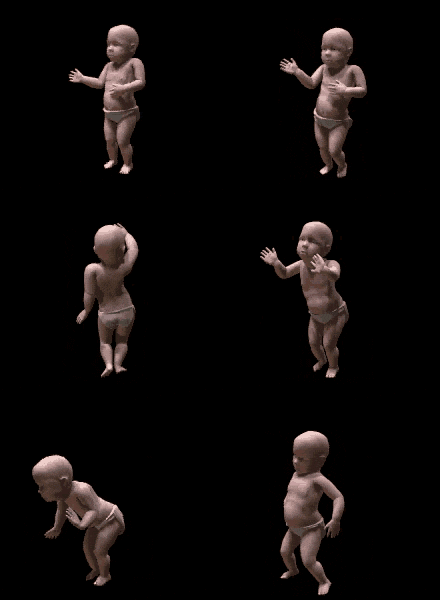
From 3D Animation Demo to “The First Internet Meme”
The Dancing Baby started life in 1996 as a technical demo, not as a joke. It was a sample animation packaged with the 3D software Character Studio, using a model called “Toddler with Diaper.” Animators shared the baby as a small 3D file, and early users experimented by changing the choreography and exporting it into new formats.
Very quickly, the baby escaped its original context. People converted the animation into highly compressed video and GIF files, attaching it to emails with subject lines like “you have to see this” and posting it on early personal web pages. Instead of being a tool for professionals, it became a piece of weird entertainment that traveled from inbox to inbox.
Email Chains, Personal Pages, and Mainstream TV
Because there were no social media platforms yet, the main way the Dancing Baby spread was through email forwards and links on hand-coded HTML pages. This kind of spread was slower and more manual than the way memes circulate today. Someone had to decide to forward it, or to upload the file to their own site and link to it from a list of “funny stuff.”
The meme made the jump to mainstream media when it appeared in television shows and news segments that were trying to explain this new thing called the internet. When the Dancing Baby showed up on Ally McBeal, for example, it became a symbol of how surreal and slightly unsettling the digital world could feel. The animation was technically impressive for home computers at the time, but part of its appeal was that it also looked a little off: rubbery skin, uncanny facial expressions, and a baby dancing to adult music.
Why Dancing Baby Matters
The Dancing Baby checks many boxes that later scholars use to define internet memes. It is a piece of media that was endlessly copied, slightly modified, and shared across different platforms. People added different music, text captions, and effects, or used it as a joke about parenting, technology, or the future. The “point” of the meme was less about a specific punchline and more about the experience of recognition: if you had seen the baby before, you were part of the in-group.
Looking back, the Dancing Baby now feels simple compared to today’s highly edited TikToks, but the structure is similar: a short visual clip, often paired with distinctive audio, that can be recontextualized again and again. It set the stage for the idea that something could “belong to the internet” rather than to a single creator.